









Siskiyou is a patchwork of overlapping cultural layers shaped by Indigenous presence, frontier settlement, immigration, and the rural economy. These groups have overlapped and lived in both conflict and harmony over time. Siskiyou today reflects a dynamic mosaic of resilience, adaptation, and cultural exchange. Here’s a dive into the major cultural influences (past and present) that make up the complex and colorful identity of this region in California’s North.
Indigenous Tribes: Karuk, Shasta, Modoc, Pit River, and Wintu
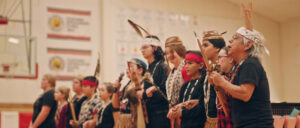
Franklin Thom, Karuk
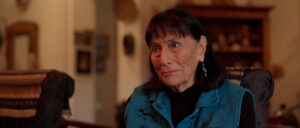
Cheewa James, Modoc
Jackson Street Elementary kids performing Brush Dance
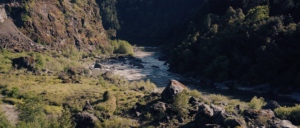
Katimiîn, Karuk’s center of the world
All photos by Autie Carlisle
Visit
Karuk Tribe People’s Center Museum
Mt. Shasta Sisson Museum
Euro- Americans: Gold Rush and Pioneer settlement
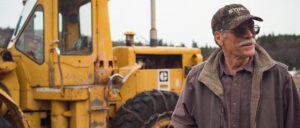
Ross Sanders, 5th generation logger
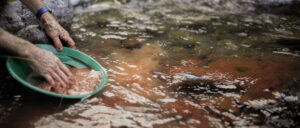
Richard Cormier, Salmon River miner
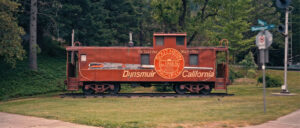
Dunsmuir railroad car
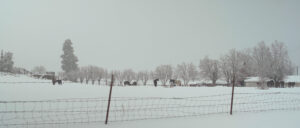
Horses in Scott Valley
All photos by Autie Carlisle
Gold Rush and Pioneers influences in the culture in Siskiyou County emerge from the mid-1800s when prospectors, settlers, and entrepreneurs moved into Northern California searching for gold and new opportunities. The region, with its rivers, mountains, and remote terrain, attracted mining camps and small settlements that quickly grew into rough frontier communities characterized by improvisation, risk-taking, and a blend of cultures, including Native peoples, Chinese laborers, and European-American miners. Life was often harsh and unstable in the wild west, with limited infrastructure, informal justice systems, and a strong reliance on self-sufficiency, trade, and cooperation among miners and traders. Over time, pioneer culture expanded beyond mining into railroad, logging, ranching, and agriculture, shaping the economic foundation of towns dotted around the county. The identity of Weed and McCloud as lumber towns still holds today, while Montague and Dunsmuir wear their railroad history proudly, and Scott Valley, Butte Valley, and the Tulelake Basin have deep and pride in their generations of ranching and agriculture. Today, the legacy of the pioneer era is still visible in historic sites, local storytelling, and a regional identity that values independence, resilience, and a close connection to the land.
Asian Americans: Japanese, Chinese, Hmong and Laotians
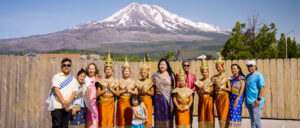
Hmong New Year in Weed, photo by Autie Carlisle
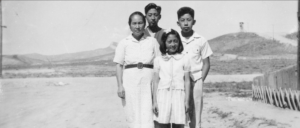
Mitzi Asai Loftus and family at Tulelake Incarceration Camp
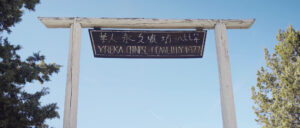
Yreka Chinese Cemetery, photo by Autie Carlisle
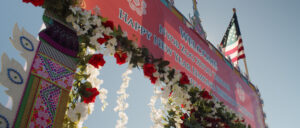
Hmong New Year in Weed, photo by Elijah Sullivan
Tule Lake Unit
African Americans in Siskiyou
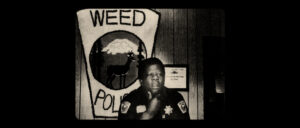
Charlie Byrd at Weed Police Department, early 1980s

Juneteenth Celebration 2026 in Weed, photo by Autie Carlisle
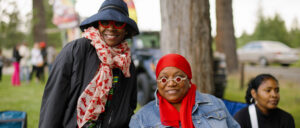
Juneteenth Celebration 2026 in Weed, photo by Autie Carlisle

Remembrance Day of Mill Fire, photo by Autie Carlisle
Spanish Speakers: Mexican, Hispanic, and other Latin Americans
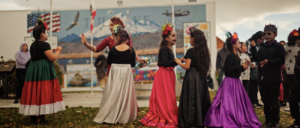
Day of the Dead 2023 in Tulelake
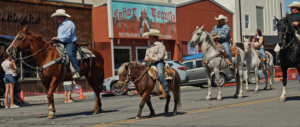
Parade during Tulelake Butte Valley Fair

Bernardo Sandoval Pozos in Dorris
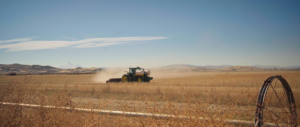
Agriculture work in Tulelake
All photos by Autie Carlisle
Siskiyou County has long been shaped by Hispanic and Latino traditions, particularly through the region’s strong agricultural and ranching economy. Throughout the twentieth century and continuing today, families from Mexico, Guatemala, and other Central and South American countries have established deep roots in eastern Siskiyou communities such as Dorris, Tulelake, and Macdoel, where agriculture remains a cornerstone of local life. Today, the Hispanic and Latino population represents a significant part of the region’s demographic and cultural landscape. In Tulelake, Dorris and Macdoel Hispanic residents make up the largest demographic group, approximately 75% percent of the population. For decades, these communities have played a vital role in the county’s economic and social development, providing essential labor in farming, dairies, forestry, and service industries that sustain the rural economy. The influence of this culture is evident in its language, food, music, dance, and religious traditions, all of which enrich community life and contribute to the area’s cultural vitality. As the population has grown, so too have efforts to expand bilingual education, celebrate cultural heritage through community events, and increase representation in civic and public life. These efforts have strengthened connections among residents and fostered greater understanding across diverse communities.
New Age / Spiritual

Bev Wilson Hoffman at crystal store in Mt. Shasta

Suzanne, traveler

Katie ‘Mambo’ Heflin, tarot reader
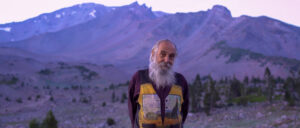
Hoot, local artist
All photos by Autie Carlisle
Shasta Stories
Article collaboration and photos by Autie Carlisle of Shasta Stories. Autie is a local filmmaker and storyteller from Mount Shasta with a documentary series called Shasta Stories offering 24 episodes to watch for free at www.ShastaStories.com with more in the making. The series highlights the humanity, history, humor, and fortitude of Siskiyou County locals and culture.
Cover Photo by Autie Carlisle: Mount Shasta in the Summer